There is no one dementia

Dementia is not a single disease. Alzheimer's, vascular dementia, Lewy body dementia, frontotemporal dementia: each one changes daily life in a different way, and each one asks something different of the people providing care. A care plan that ignores the type is just a schedule.
We build dementia care the other way around. First the person: their routines, their history, what a good day looks like. Then the diagnosis, because it shapes what to expect and what to watch for. If your family is dealing with Alzheimer's specifically, we have a dedicated page on Alzheimer's care, stage by stage.
If you are still wondering whether it is time for help, the Alzheimer Society's ten warning signs are a good place to start, and we are happy to talk through what you are seeing at home. And on cost: many families qualify for AHS-funded home care hours and can direct them to us through CDHCI.
Different types of dementia need different care
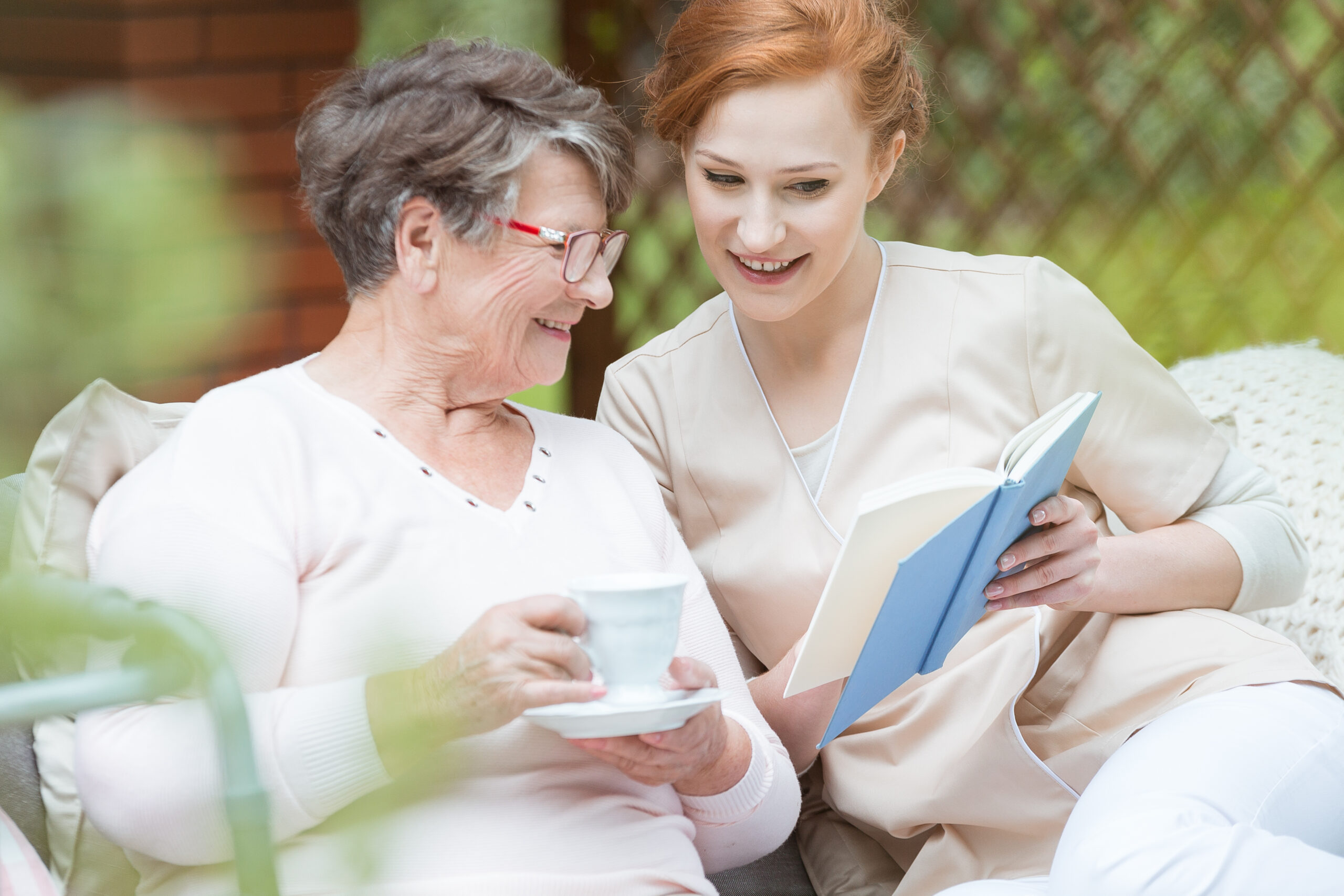
Here are the main types we support, and what each one means for care at home. Prevalence figures and symptom descriptions below come from the Alzheimer Society of Canada.
Not sure which type you are dealing with?
Many families come to us without a precise diagnosis, and some dementias are mixed or hard to pin down. Start with what you see: write down the changes, when they happen, and what makes them better or worse. The Alzheimer Society of Alberta has a Central Alberta office in Red Deer with free support and system navigation, and Health Link at 811 has a dementia advice option staffed by registered nurses. Our care plans adapt as the picture gets clearer.

Alzheimer's disease
The most common type, an estimated 60 to 80 percent of dementia cases. Memory and thinking decline gradually through recognizable stages, and care needs grow with each one. We cover it in depth on our Alzheimer's care page.
Vascular dementia
Caused by damage to the brain's blood supply, often after stroke. Planning and decision-making are usually affected first, and slow gait and poor balance make steady hands and fall awareness part of every visit. Decline is often step-wise: abilities hold, then drop. So we re-check the care plan after every change.
Lewy body dementia
Attention and alertness can swing markedly, and visual hallucinations are common. Movement changes like stiffness and a slow shuffle affect safety, and sleep is often disrupted, with restless nights and daytime fatigue. Caregivers respond with calm and reassurance rather than correction, and overnight support is often where families need help first.
Frontotemporal dementia
Often begins before 60, and it usually shows up in personality, behaviour, or language rather than memory. The Alzheimer Society's guidance is the one we train to: work around the behaviour rather than trying to get the person to change. Patience and flexibility are the whole job.
Mixed dementia
More than one type at once, most often Alzheimer's together with vascular dementia. Symptoms overlap and the picture can be confusing, so the care plan watches for both and we document what we see for your medical team.
Young onset dementia
Dementia before 65 brings different pressures: work, mortgages, kids still at home. At least 28,000 Canadians under 65 are living with it. Care planning includes the whole household's reality, not just the diagnosis.
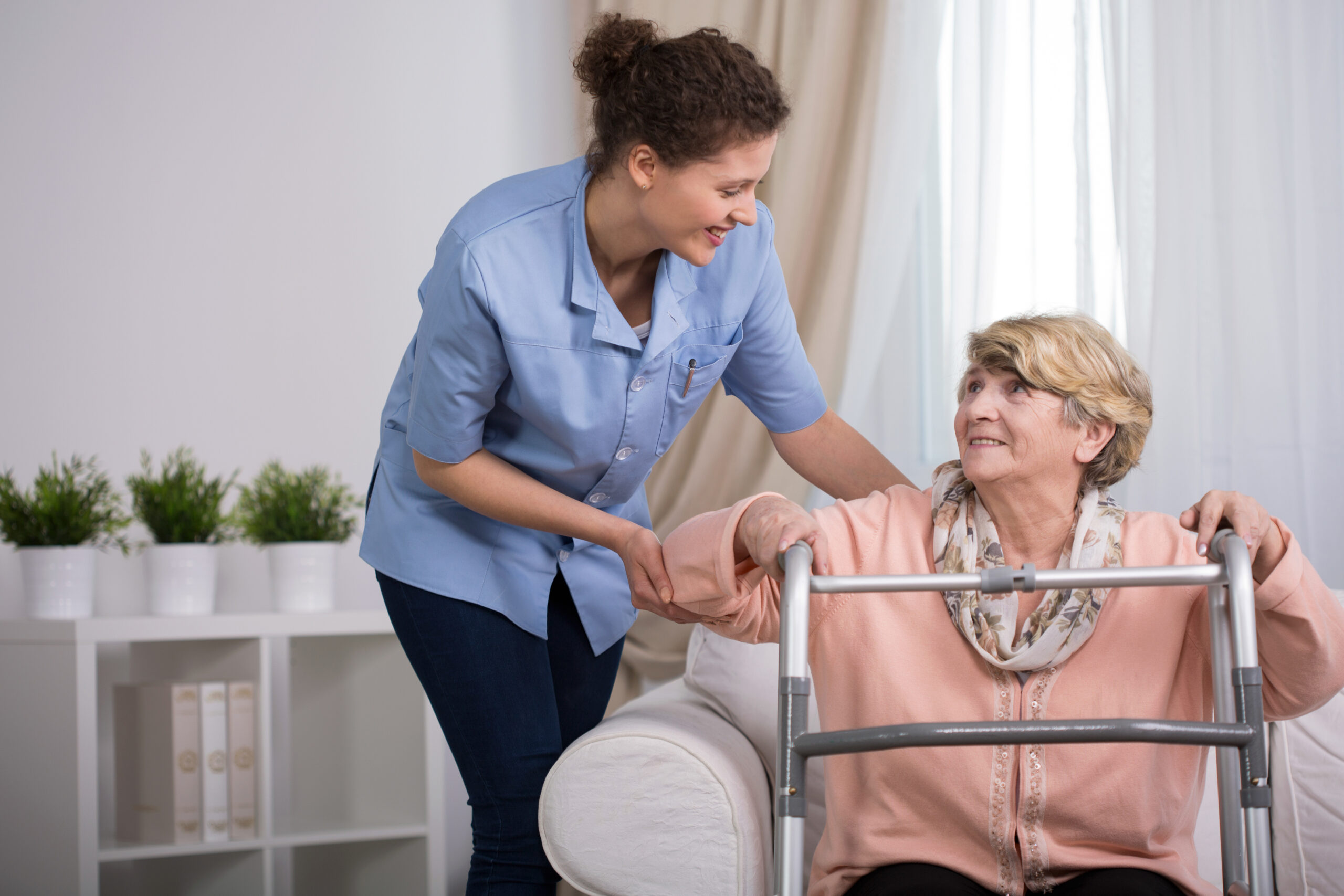
What a specialized dementia care plan looks like
Every plan is written before the first visit and built for one person. For dementia, these are the pieces that do the heavy lifting.
Built around the diagnosis
Fall awareness for vascular dementia. Calm, reassuring responses to hallucinations for Lewy body. Communication workarounds for frontotemporal. The type shapes the plan from day one.
Routine as the backbone
Routines help a person with dementia know what to expect and keep doing things on their own. Same order, same rhythm, familiar sequences kept intact.
Communication that connects, not corrects
Short, simple sentences, face to face, with distractions turned down. When words stop working, we use pictures, gestures, and touch. Mistakes get ignored; effort gets encouraged.
Meaningful activity, not busywork
Drawn from who they were before the diagnosis: gardening, baking, music, sorting a drawer, setting the table. Feeling useful matters more than a perfect result, and we never force it.
Safety without taking over
Hazards checked, cues and labels where they help, and a steady presence for the risky moments. We work alongside, we do not take over.
A plan that changes when the dementia does
Step-wise drops, fluctuating days, new behaviours: when the picture changes, the plan changes. We update it in writing so every caregiver stays consistent.
Why families trust Better Way with dementia care
Wondering how families afford this? Many qualify for AHS home care hours after an assessment through Health Link at 811, and can direct those hours to a provider they choose through CDHCI. We will explain it in plain language and tell you honestly what applies and what does not.
The same caregiver, not a rotating cast
For someone living with dementia, an unfamiliar face can undo a week of progress. We schedule for consistency, and our clients notice.
Matched by personality, not just availability
We listen first: routines, interests, how your person communicates. Then we match. It is the thing our clients mention most.
A written care plan before the first visit
It covers more than tasks. If the afternoon birdwatching in the garden matters, it goes on the plan.
Trained for the hard moments
Every caregiver is background-checked and completes mandatory training before their first visit. They know to de-escalate, acknowledge, and stay kind when a moment goes sideways.
We care for the whole household
Spouses get exhausted. Adult children worry. Our caregiver is there for the client first, but the relief extends to everyone in the home.
what our clients are saying...



Not sure what you are seeing at home? Talk it through with us.
Call 403-967-1919. We will listen, answer honestly, and help you figure out a next step, whether that is care from us, an AHS assessment through 811, or just a conversation with the Alzheimer Society. No pressure, no obligation.
Book a consultation